
Introduction: A New Age of Entertainment
Gaming has undergone a remarkable transformation over the past few decades, evolving from simple, pixelated screens to vast, hyper-realistic worlds that can completely immerse players. What was once considered a niche hobby has now become a global cultural phenomenon. With advancements in technology, gaming is no longer just about high scores and levels—it has become an art form, a social platform, and even a potential career for millions. The gaming landscape continues to shift, offering new experiences and challenges that push the boundaries of what we thought was possible.
The Rise of Console Gaming: From the Early Days to Modern Machines
In the early days of gaming, home consoles like the Atari 2600 and the original Nintendo Entertainment System were at the forefront, offering simple yet captivating games that became part of popular culture. These early systems provided a gateway for millions of players to discover the joy of gaming in their living rooms. As technology advanced, so did the power of these consoles. The introduction of the Sony PlayStation, Xbox, and later the Nintendo Switch, brought more sophisticated games with better graphics, deeper narratives, and more immersive gameplay. Each new console generation pushed the envelope, offering more realistic visuals, expansive worlds, and even virtual reality experiences that transported players to entirely new realms.
The Impact of PC Gaming: A World of Endless Possibilities
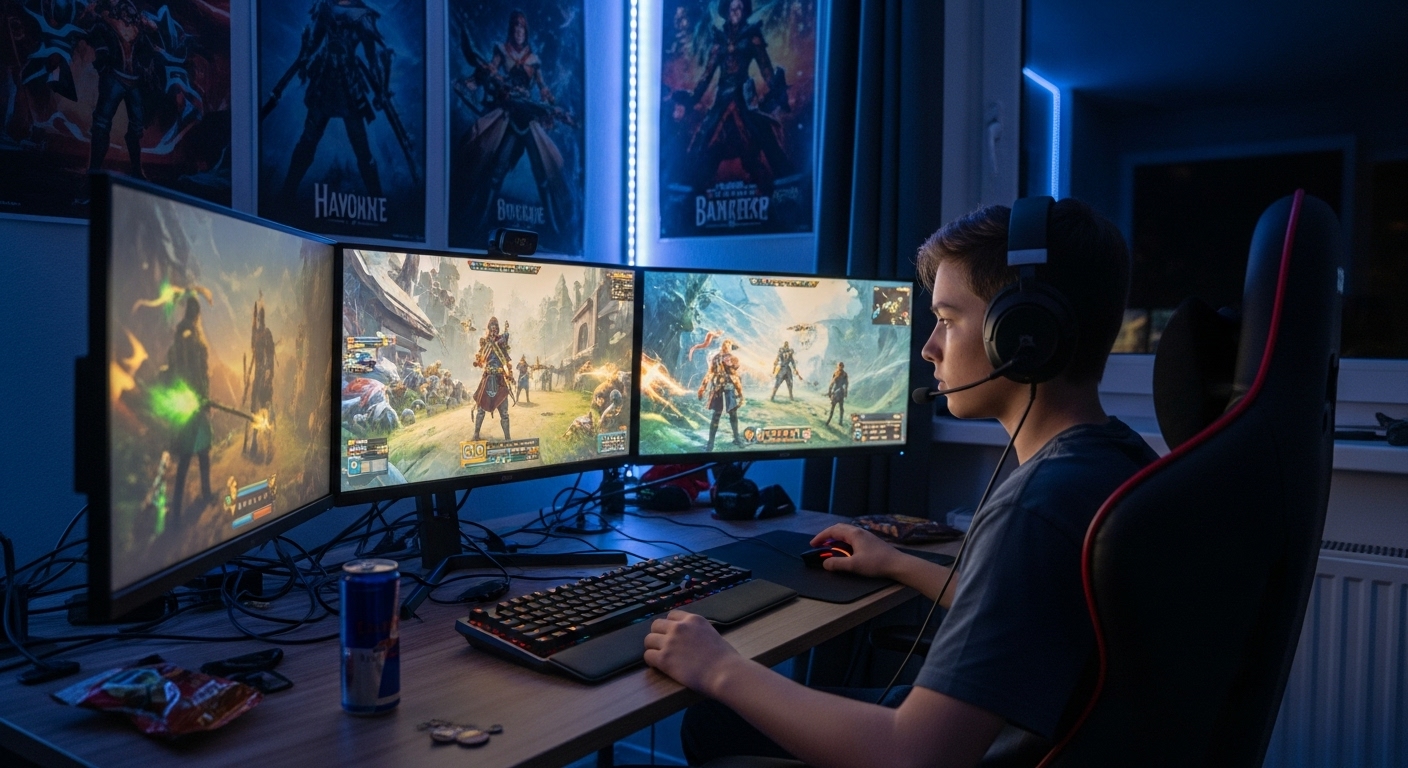
While consoles provided accessibility and convenience, PC gaming has always offered something different: limitless customization and unparalleled performance. For enthusiasts, the world of PC gaming is about much more than just playing games—it’s about optimizing hardware, fine-tuning settings, and creating a personalized gaming environment. With cutting-edge graphics cards, ultra-fast processors, and customizable peripherals, PC gaming allows players to experience games at their highest potential. This versatility also gives rise to genres like real-time strategy, simulation games, and modding communities, where players can create their own content and expand upon existing worlds.
The Rise of Mobile Gaming: Gaming in Your Pocket
In recent years, mobile gaming has surged in popularity, thanks to the rise of smartphones and tablets. Games like Angry Birds, Clash of Clans, and Fortnite Mobile have demonstrated how portable, accessible gaming can be. Mobile gaming has become a global phenomenon, with games designed to be played on the go, making it easier for people to enjoy their favorite titles anywhere and anytime. Mobile games range from casual puzzle games to full-fledged, multiplayer experiences that rival their console counterparts in terms of complexity and entertainment value. As mobile hardware improves, the future of gaming on these devices looks even brighter, with innovations like cloud gaming and augmented reality offering new ways to engage with virtual worlds.
Virtual Reality and Augmented Reality: Gaming Meets the Real World
Perhaps one of the most groundbreaking developments in gaming has been the advent of virtual reality (VR) and augmented reality (AR). With devices like the Oculus Rift, PlayStation VR, and HTC Vive, players are no longer just interacting with a screen—they are stepping into the game itself. VR offers complete immersion, allowing players to explore 360-degree worlds, manipulate objects, and engage in experiences that feel tangible. Meanwhile, AR, exemplified by games like Pokémon Go, overlays digital elements on the real world, blending the virtual and physical in a way that was once thought impossible. These technologies are revolutionizing how we perceive and interact with games, blurring the lines between fiction and reality.
The Social Side of Gaming: Connecting with Others Across the Globe
Gaming has evolved from a solitary activity into a highly social one. Today, millions of players connect through online multiplayer modes, collaborating and competing with others in real-time, no matter where they are in the world. Whether it’s battling in Fortnite, teaming up in Overwatch, or creating together in Minecraft, the social aspect of gaming has become a defining feature. Gaming communities now extend beyond the screen, with players forming friendships, sharing content, and even making a living through platforms like Twitch and YouTube. The rise of esports has further amplified this, with professional gamers and teams drawing massive audiences for tournaments and competitions. In many ways, gaming has become a cultural language, where people of all backgrounds can come together and form connections through their shared passion.
The Future of Gaming: What Lies Ahead?
As technology continues to evolve, the future of gaming holds exciting possibilities. The integration of artificial intelligence (AI) is expected to create more dynamic, responsive game worlds that adapt to a player’s choices, making each experience unique. Cloud gaming could also revolutionize the industry by allowing players to access high-quality games without the need for expensive hardware, making gaming more accessible than ever before. With advancements in graphics, storytelling, and gameplay mechanics, future games will likely be even more immersive and lifelike. Additionally, the integration of social elements, such as virtual worlds and collaborative experiences, will continue to redefine how we think about gaming, making it an even more central part of our lives.
Conclusion: Gaming as a Cultural Phenomenon
From its humble beginnings to its current status as a multi-billion-dollar industry, gaming has proven that it is more than just a passing trend. It is a powerful force in entertainment, social interaction, and technology. With each passing year, gaming continues to redefine what is possible, offering new ways for players to engage with the world and each other. Whether you’re a casual gamer, a competitive player, or someone who enjoys the rich narratives of story-driven titles, gaming has something for everyone. As we look to the future, one thing is clear: the evolution of gaming is far from over, and its impact on our lives will only continue to grow.