Introduction
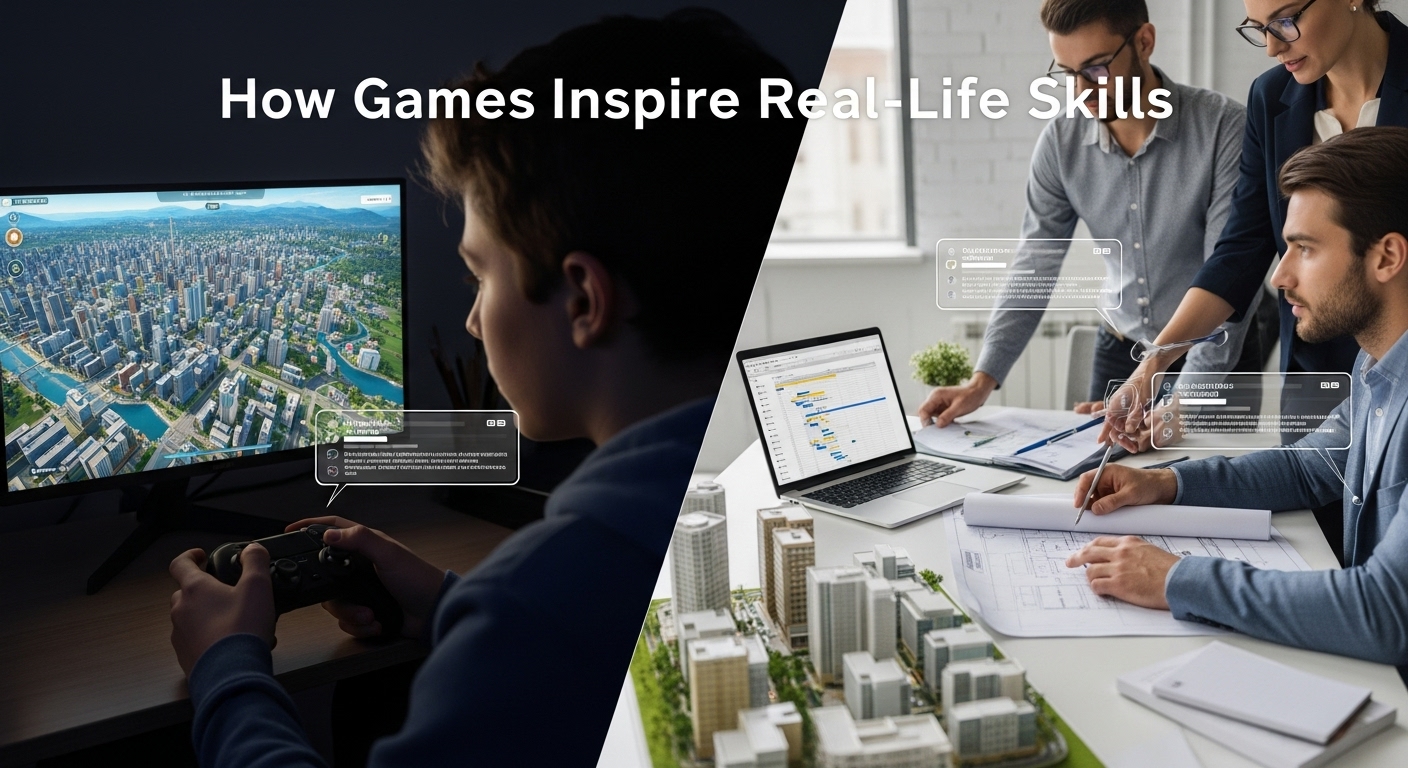
Games have been an integral part of human culture for centuries, evolving from ancient board games and traditional sports into the digital experiences we know today. In the modern world, video games have transcended their reputation as mere entertainment and have become powerful tools that influence behavior, sharpen skills, and build valuable real-world abilities. Whether it is strategic planning, teamwork, leadership, or even emotional resilience, games—both digital and traditional—play a vital role in shaping how individuals approach challenges in everyday life. This blog explores in depth how games inspire real-life skills, breaking down their influence on problem-solving, creativity, communication, leadership, adaptability, and much more.
Problem-Solving Through Gameplay
One of the most noticeable benefits of playing games is the development of strong problem-solving skills. Many video games are built around complex puzzles, resource management, and decision-making under pressure. For instance, strategy games like Civilization or StarCraft force players to consider multiple variables before making a move, teaching them to analyze situations critically and predict potential outcomes. These same abilities translate to real life when individuals face business, academic, or personal challenges. Problem-solving in games nurtures patience, persistence, and the willingness to try different approaches until a solution is found. This iterative learning process directly mirrors real-world problem-solving, where failure is often just a step toward success.
Critical Thinking and Strategic Planning
Games also sharpen critical thinking and long-term planning skills. Strategy-based games demand players to weigh the consequences of each decision, assess risks, and anticipate how current actions will affect future outcomes. A player planning their moves in chess, for example, is practicing the same mental exercise as a project manager considering timelines and resource allocation. By engaging with such games regularly, players train themselves to think analytically, evaluate alternatives, and make strategic decisions that are not only beneficial in the game but in academic and professional environments.
Creativity and Imagination
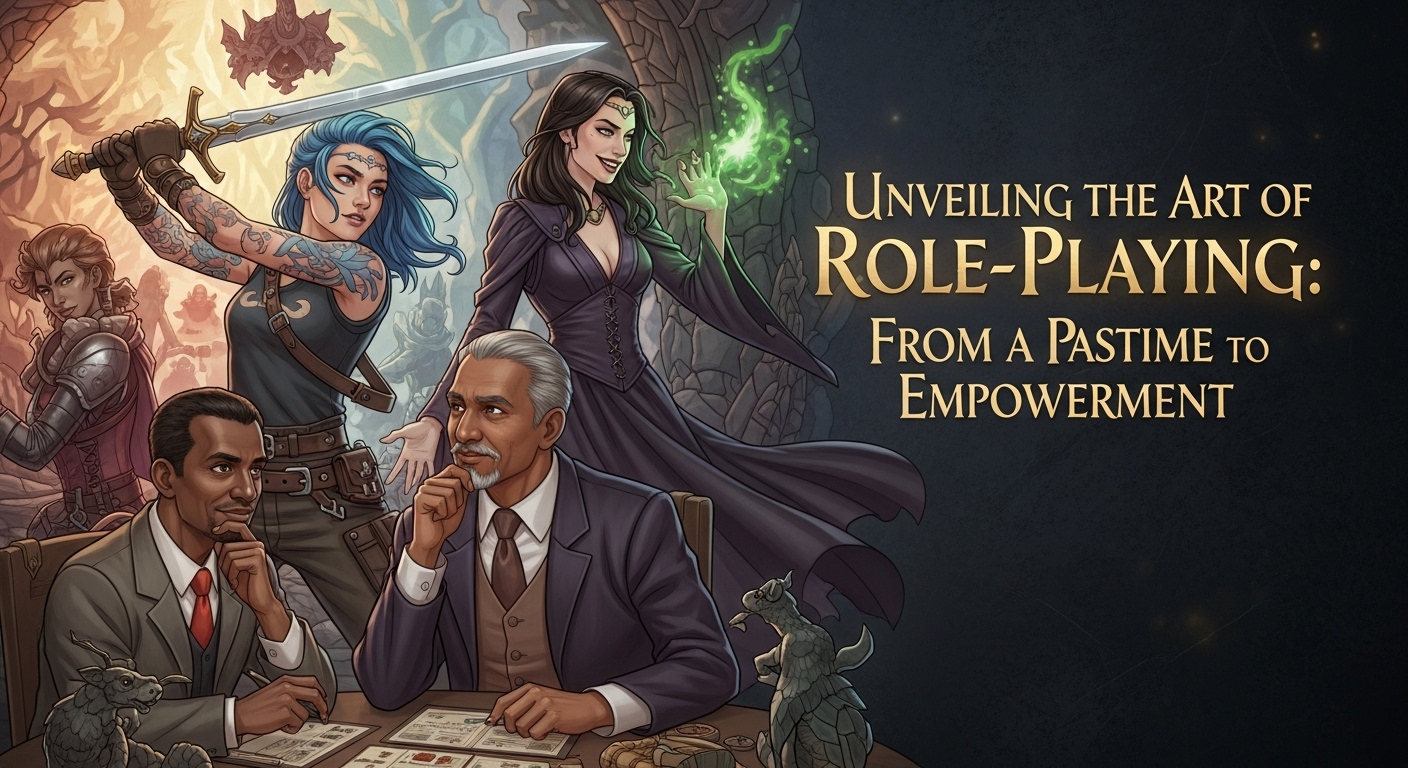
Gaming is not limited to structured rules and logic. Many modern games, particularly sandbox-style games like Minecraft or The Sims, foster creativity and imagination. Players are encouraged to build worlds, design structures, and craft unique solutions to challenges. This kind of creativity carries over into real life by encouraging innovative thinking and problem-solving in unconventional ways. For example, someone who has spent hours designing intricate digital landscapes may find it easier to brainstorm creative solutions in work projects or artistic endeavors. Beyond video games, role-playing games also stimulate imagination, as players must create backstories, think like their characters, and engage in storytelling. This process enhances creativity, empathy, and the ability to think outside the box.
Teamwork and Collaboration
Many multiplayer games require players to work together toward a common objective. Whether it is defeating a challenging raid boss in World of Warcraft or coordinating strategies in a team-based shooter like Overwatch, success often depends on communication and cooperation. These experiences strengthen teamwork skills that are directly applicable to real-world situations, such as working in a corporate environment, collaborating on academic projects, or even participating in community initiatives. Team-based gaming fosters trust, coordination, and the ability to recognize the strengths and weaknesses of each member—qualities that are critical for effective collaboration in any setting.
Leadership and Decision-Making
In group-oriented games, leadership often emerges naturally. Players take on roles that require them to guide the team, allocate responsibilities, and make quick decisions. The leadership skills honed in these environments are valuable in real life, where individuals are frequently called upon to lead teams, manage conflicts, and inspire others. For example, a gamer who regularly serves as a raid leader in an online game is practicing the same abilities required of a manager: delegating tasks, motivating team members, and staying calm under pressure. These gaming experiences prepare individuals to step confidently into leadership roles in their careers and personal lives.
Communication and Social Skills
Contrary to the stereotype of gamers being isolated, many games are inherently social. Multiplayer games, online communities, and voice-chat platforms encourage players to interact with strangers, form friendships, and develop communication skills. Gamers learn to express their ideas clearly, listen to others, and resolve misunderstandings—all of which are essential in real-world communication. Additionally, interacting with diverse people across cultures in online games fosters global awareness and empathy. These interactions can lead to improved social confidence, cross-cultural communication, and even lifelong friendships that extend beyond the gaming world.
Adaptability and Resilience
Games often put players in unpredictable scenarios where failure is a frequent occurrence. From losing matches in competitive games to restarting levels after repeated mistakes, gamers quickly learn that failure is not the end but part of the journey. This teaches resilience, adaptability, and the ability to remain motivated despite setbacks. In real life, these skills are invaluable, helping individuals cope with challenges such as academic struggles, workplace difficulties, or personal obstacles. A gamer who has developed resilience in virtual environments will be better prepared to handle failures constructively and adapt their strategies in real-world situations.
Time Management and Organization
For many gamers, balancing the demands of gameplay with real-world responsibilities requires careful time management. Strategy games often simulate the need to allocate resources wisely, while role-playing games may involve managing quests, skills, and inventories. These elements encourage organizational skills and an awareness of priorities. Moreover, dedicated gamers who balance their playtime with school, work, or family obligations are essentially practicing real-world time management. This skill becomes especially relevant in adulthood, where competing priorities demand careful scheduling and discipline.
Attention to Detail
Gaming frequently requires players to pay close attention to details that others might overlook. Spotting hidden clues in adventure games, analyzing opponents’ patterns in competitive matches, or noticing resource trends in strategy games all sharpen observational skills. This level of attention to detail carries over into real-life tasks that require precision, such as proofreading documents, analyzing financial data, or even recognizing subtle changes in social interactions. By training players to be observant and detail-oriented, games prepare them for professional environments where accuracy matters.
Stress Management and Emotional Control
Games can be intense, particularly in competitive or high-stakes scenarios. Players often face moments of frustration, disappointment, or even anger when things do not go their way. However, learning to manage these emotions within the gaming environment contributes to emotional control in real life. For instance, a player who learns to stay calm under the pressure of a fast-paced match will likely transfer that skill into handling stressful work presentations or personal conflicts. Additionally, many people use games as a healthy outlet for stress relief, allowing them to return to real-life tasks with a clearer, calmer mindset.
Perseverance and Goal-Setting
Most games are built around objectives, whether short-term goals like completing a level or long-term achievements like finishing a storyline or reaching a high rank. This structure encourages perseverance and the habit of setting and pursuing goals. Players experience the satisfaction of accomplishment after persistent effort, reinforcing the idea that dedication leads to success. In real life, this translates to improved motivation in personal projects, academic pursuits, and professional aspirations. Gamers understand that progress often comes in stages and that even small achievements contribute to larger goals.
Cultural Awareness and Global Perspective
The global nature of gaming communities exposes players to people from different cultures, languages, and backgrounds. Online games, in particular, connect individuals across continents, fostering intercultural communication and understanding. This exposure builds cultural awareness and a global perspective, valuable skills in an increasingly interconnected world. Players who engage in international gaming communities often develop tolerance, open-mindedness, and respect for diversity—qualities that enhance personal relationships and professional collaboration in multicultural environments.
Technological Literacy and Adaptation
Gaming often requires players to engage with technology in ways that build digital literacy. From understanding hardware performance to navigating online platforms and troubleshooting connectivity issues, gamers develop comfort with technology. This proficiency carries over into the workplace, where digital tools and platforms are essential. Moreover, gamers are often quick to adapt to new technologies, software updates, or interface changes, which enhances their ability to thrive in fast-paced digital environments.
Financial and Economic Skills
Certain games, especially those involving in-game economies, teach players about financial management and economic principles. For example, role-playing games with trading systems require players to manage resources, understand supply and demand, and make smart investments. Virtual economies mirror real-world financial systems, teaching players lessons in budgeting, saving, and strategic spending. These lessons can translate into improved money management and financial literacy in real life.
Empathy and Perspective-Taking
Role-playing games in particular encourage players to step into the shoes of different characters, experiencing the world through diverse perspectives. This fosters empathy and emotional intelligence, as players must understand and relate to characters’ motivations, struggles, and triumphs. Developing the ability to consider situations from multiple perspectives enhances interpersonal relationships, conflict resolution, and social understanding in real life.
Physical and Cognitive Coordination
Games that require fast reflexes and precision, such as action games or sports simulations, improve hand-eye coordination and reaction times. Studies have shown that gamers often have enhanced spatial awareness and cognitive flexibility. These skills are not only useful in gaming but also in real-world activities such as driving, playing sports, or performing tasks that require fine motor control and quick decision-making.
Lifelong Learning and Curiosity
Many games encourage continuous learning, whether through exploring new mechanics, mastering complex systems, or discovering hidden storylines. This nurtures a mindset of curiosity and lifelong learning, as players become accustomed to seeking knowledge and improving their skills. This attitude translates into real life, where individuals who enjoy learning are more adaptable, resourceful, and successful in their personal and professional pursuits.
Conclusion
Games are far more than sources of entertainment; they are powerful platforms for skill development and personal growth. From problem-solving and strategic thinking to teamwork, leadership, and creativity, the skills learned through games directly enhance real-life experiences. They prepare individuals for challenges in education, careers, relationships, and even personal well-being. As society continues to embrace digital culture, it is increasingly important to recognize the positive impact games can have on human development. By understanding how games inspire real-life skills, we can better appreciate their role in shaping capable, resilient, and innovative individuals.