
Gaming has evolved dramatically over the years. What began as a niche hobby with simple pixelated graphics has grown into a global industry that shapes entertainment, culture, and technology. From the early days of arcade machines to the rise of virtual reality (VR) and augmented reality (AR), gaming has consistently pushed boundaries and captured the imagination of millions. In this blog post, we’ll explore the various stages of gaming’s evolution and the impact it has had on both players and the industry as a whole.
The Birth of Gaming: Simple Beginnings
In the early days, gaming was a simple affair. The first video games, such as Pong (1972) and Space Invaders (1978), were nothing more than a collection of pixelated shapes on a black screen. But despite their simplicity, these games marked the beginning of what would soon become a multi-billion-dollar industry. Early gaming systems, such as the Atari 2600, introduced home gaming to the masses, allowing players to enjoy video games without needing to visit an arcade.
The limitations of early technology meant that games were often primitive, but this simplicity also helped foster creativity. Developers worked within constraints to craft innovative gameplay, introducing concepts that would later become staples in the gaming world. These games were an important part of the industry’s growth, and they laid the foundation for what was to come.
The Golden Age: The Rise of Consoles and RPGs
As technology improved, so did the quality of games. The 1980s and early 1990s saw the rise of more advanced gaming consoles, including the Nintendo Entertainment System (NES) and the Sega Genesis. These systems brought iconic games to players, such as Super Mario Bros. and Sonic the Hedgehog. The introduction of color graphics and improved sound helped elevate gaming from a niche hobby to a mainstream pastime.
During this era, the genre of role-playing games (RPGs) also began to take off. Titles like Final Fantasy and The Legend of Zelda set the stage for more immersive storytelling in games, offering players rich narratives, detailed worlds, and character development. These games invited players to step into fantastical worlds and take on the roles of heroes, villains, and everything in between.
The 3D Revolution: Pushing Boundaries
The 1990s and early 2000s marked a pivotal moment in the gaming industry. The advent of 3D graphics revolutionized how games looked and played. With systems like the Sony PlayStation, Nintendo 64, and Dreamcast, games moved from the 2D worlds of the past to fully realized 3D environments. This change allowed for more immersive experiences and opened up new possibilities for gameplay.
Games like Super Mario 64, The Legend of Zelda: Ocarina of Time, and Metal Gear Solid set new standards for game design. They introduced expansive open worlds, dynamic camera angles, and the ability to explore environments in ways that were previously unimaginable. These titles not only pushed the limits of technology but also expanded the way we think about storytelling in games.
Online Gaming: Connecting the World
The late 2000s saw the rise of online gaming, a development that would have a profound effect on the industry. The launch of consoles like the Xbox 360 and PlayStation 3, along with the increasing availability of high-speed internet, allowed gamers to connect with each other from around the globe. This marked the beginning of an era where multiplayer gaming became a central part of the experience.
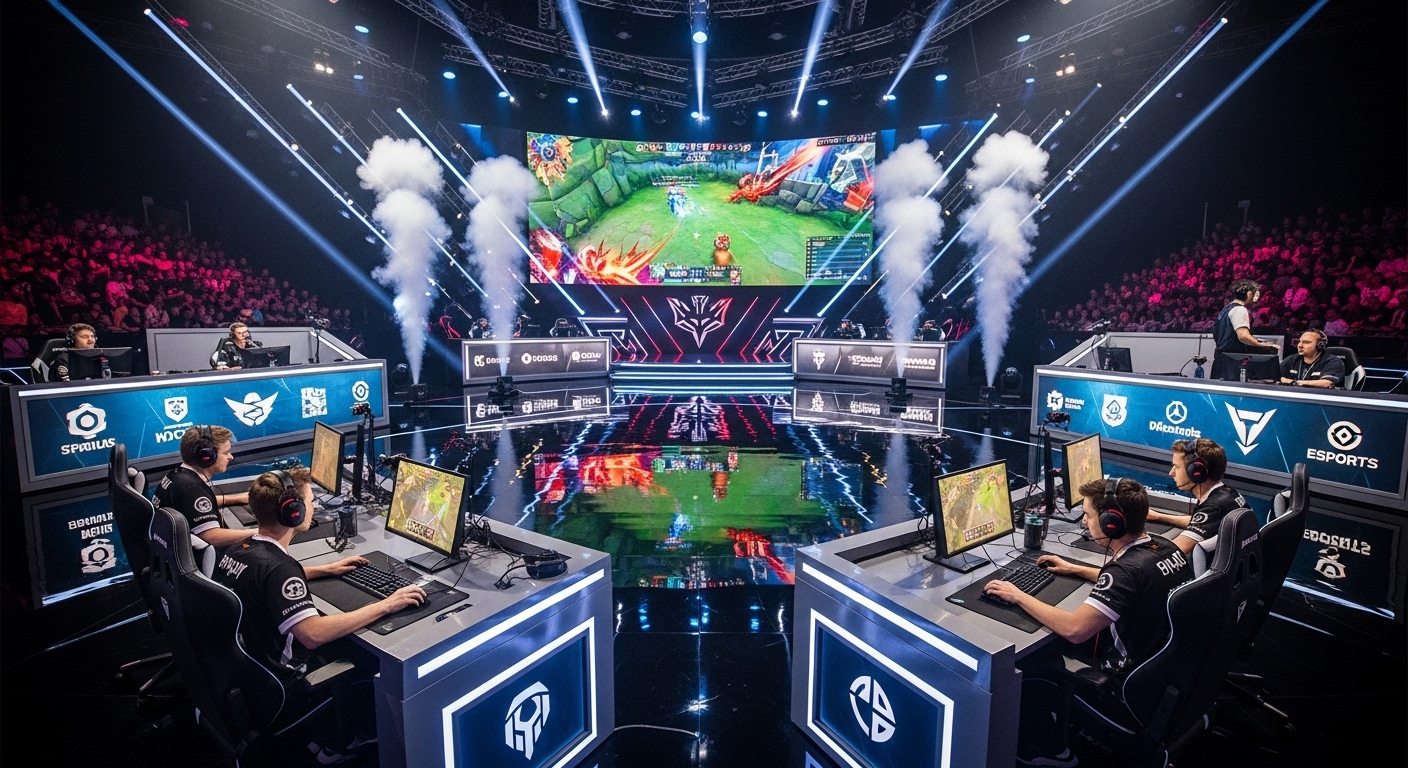
Games like World of Warcraft, Call of Duty, and League of Legends enabled players to compete against others in real-time, leading to the rise of esports and online communities. The social aspect of gaming became just as important as the gameplay itself, with many games focusing on cooperation, competition, and community-building.
The Mobile Revolution: Gaming in Your Pocket
As smartphones became more powerful, mobile gaming emerged as a dominant force in the industry. Titles like Angry Birds, Candy Crush, and Pokémon GO became cultural phenomena, showing that gaming wasn’t just for dedicated consoles anymore. Now, games could be enjoyed on the go, anywhere and anytime. The rise of mobile gaming also brought about a shift in how games were monetized, with free-to-play models and in-app purchases becoming common practices.
Mobile gaming democratized access to video games, allowing people from all walks of life to engage with interactive entertainment. Games could now be enjoyed in short bursts, catering to both casual players and more serious gamers. The mobile gaming boom continues to influence the broader gaming industry today, and many major franchises have expanded into the mobile space.
Virtual Reality: The Future of Immersion
Looking toward the future, virtual reality (VR) and augmented reality (AR) are poised to take gaming to a whole new level. With devices like the Oculus Rift, HTC Vive, and PlayStation VR, players can step directly into virtual worlds, experiencing games in ways that were once limited to science fiction. VR games offer an unparalleled level of immersion, allowing players to physically move, interact, and engage with their surroundings in a truly immersive experience.
While VR gaming is still in its early stages, its potential is undeniable. Games like Half-Life: Alyx and Beat Saber have already shown the possibilities of what VR can offer, but the technology is only going to improve. In the coming years, we can expect even more realistic graphics, more intuitive controls, and even deeper levels of immersion.
Conclusion: Gaming’s Endless Possibilities
The journey from pixelated screens to fully immersive worlds has been nothing short of extraordinary. Gaming has transformed from a simple pastime to a multi-billion-dollar industry, with technological innovations continually pushing the boundaries of what is possible. Whether it’s the rise of 3D graphics, the advent of online multiplayer, the explosion of mobile games, or the promise of VR, the future of gaming looks brighter than ever.
As gaming continues to evolve, one thing is clear: it’s more than just a form of entertainment—it’s a medium that connects people, tells stories, and offers experiences that no other form of media can match. The next chapter in gaming’s history is just beginning, and we can’t wait to see where it goes next.