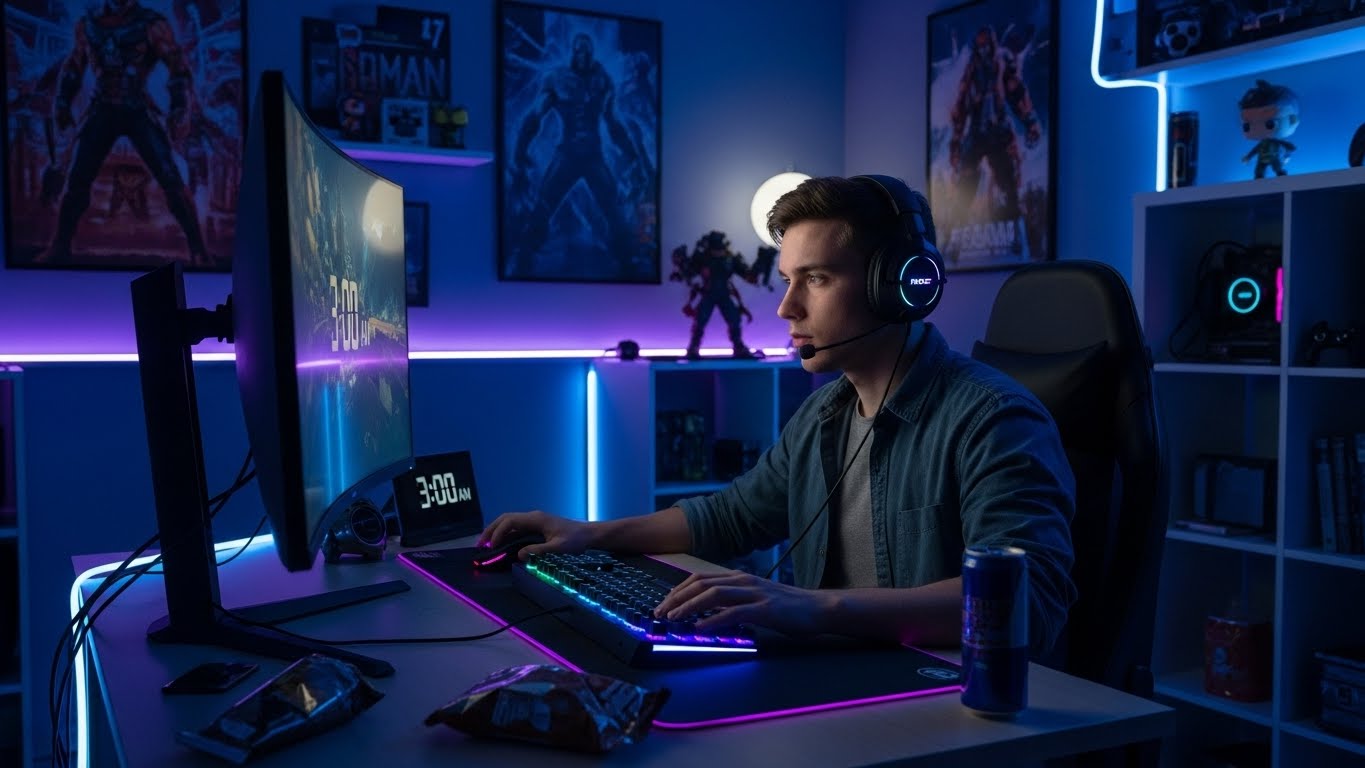
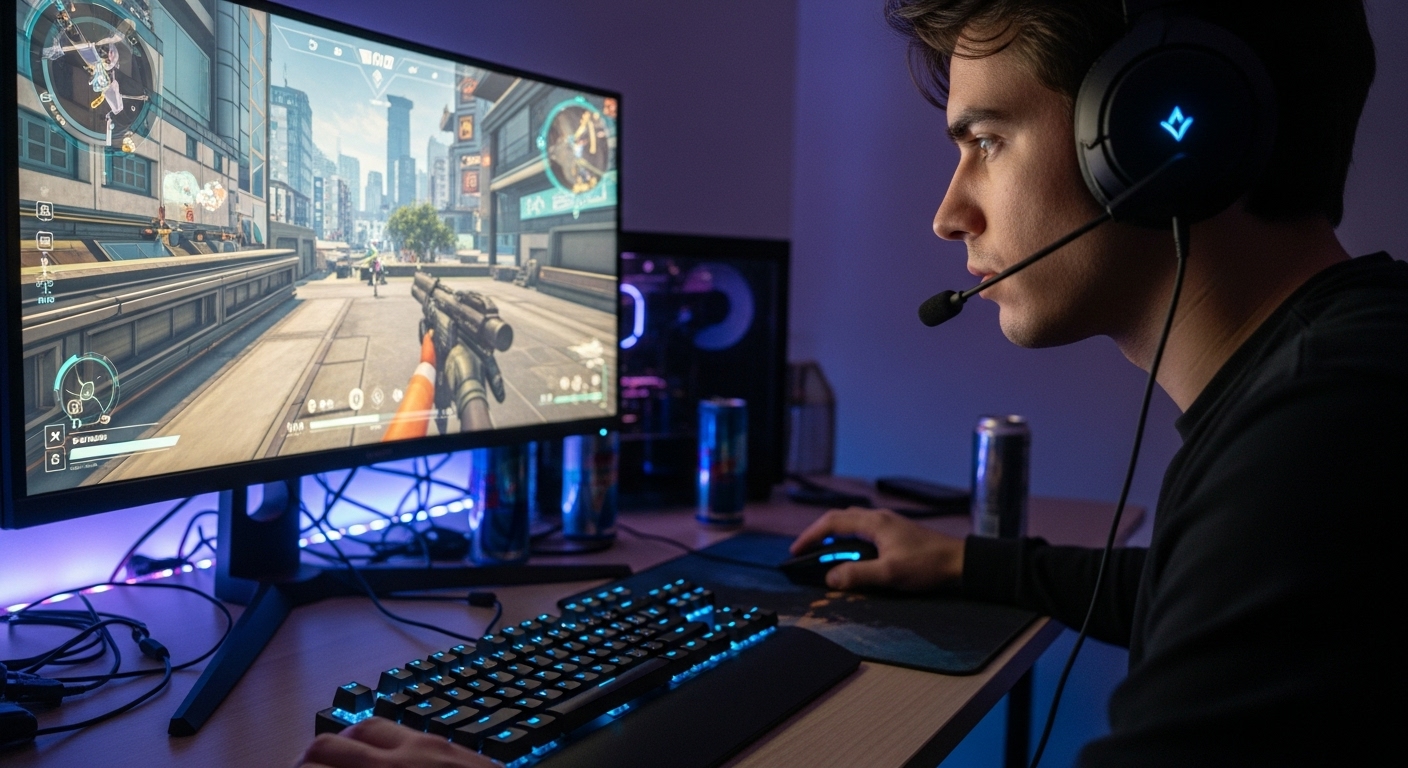
Competitive gaming, often referred to as esports, has become one of the most fascinating phenomena of the modern entertainment world. What was once a niche hobby has transformed into a global industry filled with professional players, massive audiences, and intense rivalries. But behind every high-stakes match and every victory celebration lies a deep psychological foundation. Understanding what drives competitive gamers reveals not just the mind of a player, but the human desire for challenge, mastery, and connection.
The Drive to Win
At the heart of competitive gaming is a powerful motivation—the desire to win. This drive is more than just about trophies or recognition; it’s rooted in human psychology. Winning triggers the brain’s reward system, releasing dopamine, which creates feelings of pleasure and satisfaction. Gamers constantly chase that rewarding rush, pushing themselves to perform better with every match. The pursuit of victory becomes a cycle of motivation, improvement, and achievement.
The Role of Challenge and Mastery
Competitive gaming thrives on difficulty. Players are drawn to challenges because overcoming them builds a sense of mastery and self-worth. The harder the game, the greater the satisfaction when success is achieved. Psychologists call this the “flow state,” a mental zone where players are fully immersed, focused, and performing at their best. In this state, time seems to disappear, and every move feels natural. For gamers, it’s not just about winning—it’s about perfecting their craft.
Emotional Resilience and Pressure
Behind every professional player’s calm appearance is immense emotional control. Competitive gaming demands mental toughness. Losing can be devastating, especially after hours of preparation, but the best players learn to channel frustration into growth. They develop emotional resilience, adapting to pressure and maintaining focus even in high-stress situations. This ability to manage emotions and bounce back from defeat is what separates casual players from champions.
Teamwork and Communication
Even in games that focus on individual performance, teamwork remains essential. Players must communicate clearly, trust their teammates, and coordinate strategies under pressure. This collaborative dynamic mirrors real-world teamwork, where communication and mutual understanding lead to success. The psychological bond formed within teams often extends beyond the game, fostering friendships and mutual respect that enhance both performance and morale.
The Impact of Competition on Identity
For many gamers, competition becomes part of their identity. The sense of belonging to a team, a community, or even a specific game culture fulfills deep psychological needs for social connection and purpose. Competitive gaming allows players to express themselves, showcase their skills, and be recognized for their dedication. This identity can be empowering, giving players confidence that extends into their personal lives.
The Influence of Stress and Focus
Stress is an inevitable part of competition, but it can also be a source of strength. Moderate levels of stress heighten alertness and improve reaction time. Professional gamers learn how to balance this stress, turning it into focused energy. Techniques such as mindfulness, controlled breathing, and visualization help players stay calm and sharp during crucial moments. The mental preparation behind gaming success is as important as physical training in traditional sports.
Learning Through Failure
Every loss in competitive gaming carries a lesson. The best players analyze their mistakes, adjust their strategies, and return stronger. This mindset of continuous improvement, often called a “growth mindset,” is key to long-term success. It teaches patience, discipline, and humility. In a way, competitive gaming mirrors life itself—failure isn’t the end, but a step toward mastery.
Conclusion
The psychology behind competitive gaming goes far beyond reflexes and mechanics. It’s about motivation, emotion, teamwork, and mental endurance. Each match tests not only skill but also character and resilience. As esports continues to rise in popularity, it reminds us that gaming is more than a digital pastime—it’s a powerful reflection of human psychology and our unending quest to improve, connect, and conquer challenges. Competitive gaming is not just played on screens; it’s fought and won in the mind.