Introduction: Gaming as More Than a Hobby
Gaming has evolved from a casual pastime into a cultural, social, and technological phenomenon. What once started as simple arcade machines and early console games now encompasses vast digital universes, competitive esports, immersive storytelling, and interactive experiences.
Gaming is no longer just about entertainment; it fosters creativity, strategic thinking, collaboration, and problem-solving. Millions of people worldwide engage in gaming every day, creating communities, professional opportunities, and cultural trends that shape modern society.
The Origins of Gaming
The history of gaming dates back decades. The 1970s saw the birth of iconic arcade games like Pong and Space Invaders, which introduced the concept of interactive entertainment to the public. The 1980s and 1990s brought home consoles and handheld systems, giving rise to franchises such as Super Mario, The Legend of Zelda, and Pokémon.
With the development of personal computers and online networks, gaming became more complex and immersive. Titles like Doom, Warcraft, and Final Fantasy expanded the possibilities for storytelling, multiplayer experiences, and strategic gameplay. Gaming continues to evolve, integrating new technologies and creative ideas that redefine entertainment.
Gaming Platforms and Their Evolution
Modern gaming spans a variety of platforms, each offering unique experiences:
Consoles: PlayStation, Xbox, and Nintendo systems provide immersive gameplay, high-quality graphics, and exclusive titles. Console gaming is popular for both casual and competitive play, offering multiplayer and single-player options.
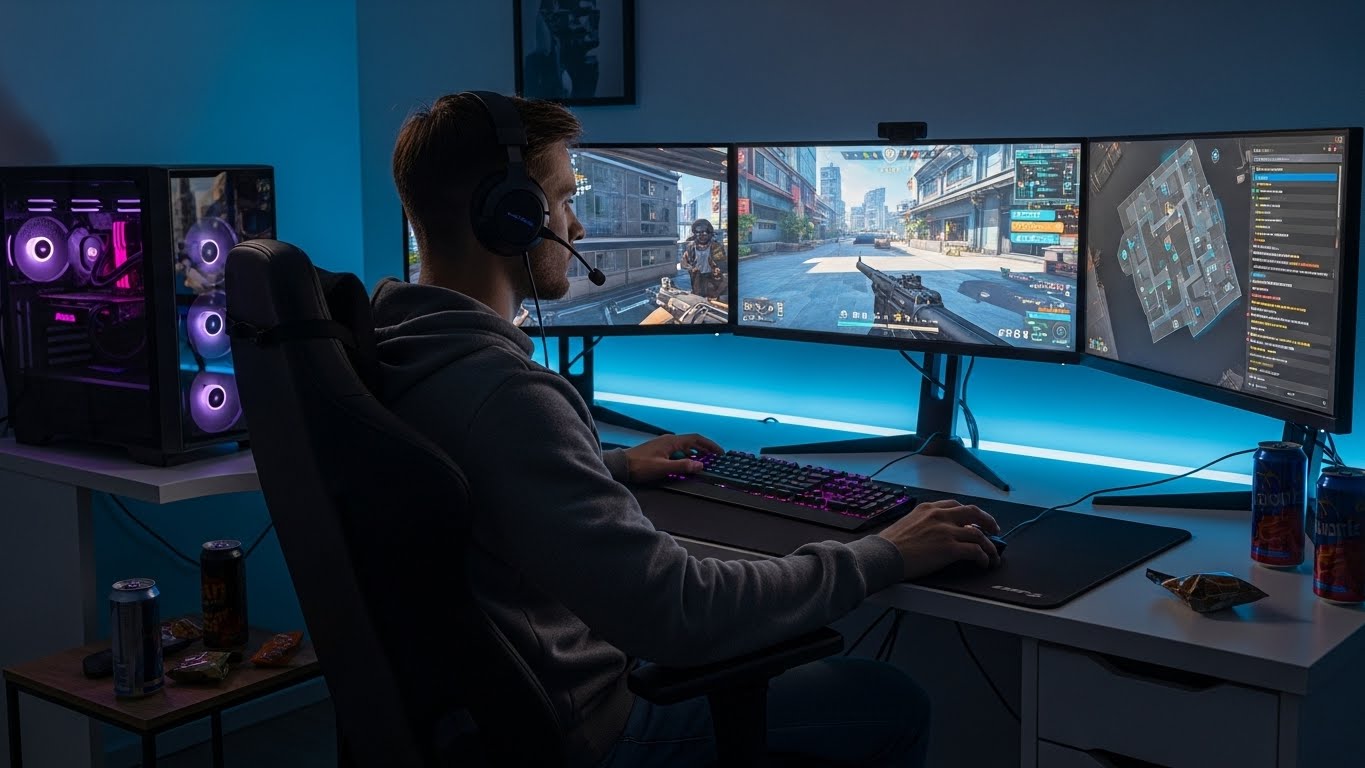
PC Gaming: Personal computers offer customization, modding, and access to a wide range of genres. PC gaming supports competitive esports, strategy games, and complex simulations that require precision and skill.
Mobile Gaming: Smartphones and tablets make gaming accessible to a massive audience. Casual games, strategy apps, and social multiplayer games allow players to enjoy gaming anywhere.
Cloud Gaming: The rise of cloud technology enables players to stream high-quality games without the need for powerful hardware, making gaming more accessible and convenient for everyone.
Popular Game Genres
Gaming offers a variety of genres, each appealing to different tastes and skill sets:
Action and Adventure: Fast-paced games like Assassin’s Creed, Tomb Raider, and God of War combine exploration, combat, and storytelling.
Role-Playing Games (RPGs): Titles like Final Fantasy, The Witcher, and Skyrim allow players to build characters, make narrative choices, and engage in complex worlds.
Simulation and Sandbox Games: Minecraft, The Sims, and Cities: Skylines encourage creativity, planning, and experimentation. Players design environments, solve problems, and explore limitless possibilities.
Sports and Racing Games: FIFA, NBA 2K, and Forza Horizon simulate real-world sports and racing experiences, combining skill, strategy, and competition.
Esports and Competitive Games: Multiplayer titles such as League of Legends, Dota 2, and Counter-Strike emphasize teamwork, strategy, and skill, forming a professional ecosystem for competitive gaming.
The Social Impact of Gaming
Gaming is inherently social. Multiplayer and online games allow people to collaborate, compete, and communicate with friends and strangers worldwide. Communities form around shared interests, fostering friendships and cultural exchange.
Esports and streaming platforms amplify gaming’s social dimension. Fans watch live tournaments, interact with players, and participate in communities that celebrate shared experiences. Gaming is more than individual play—it’s a way to connect, collaborate, and belong.
Cognitive and Skill Benefits of Gaming
Gaming can enhance a range of cognitive and practical skills. Strategy and puzzle games improve critical thinking, problem-solving, and decision-making. Action games enhance hand-eye coordination, reflexes, and spatial awareness.
Role-playing and simulation games teach resource management, planning, and multitasking. Multiplayer games develop communication, teamwork, and leadership skills. Studies show that gaming can improve memory, focus, and adaptability, demonstrating that games offer benefits beyond entertainment.
Gaming as a Career
The rise of esports and streaming has created professional opportunities for gamers. Esports players compete for prize money, salaries, and sponsorships. Professional teams employ coaches, analysts, and managers to optimize performance.
Streaming platforms allow content creators to reach audiences globally, monetize gameplay, and build personal brands. Careers in game development, design, marketing, and journalism also thrive within the industry. Gaming has grown into a legitimate career path with diverse and rewarding opportunities.
The Role of Technology in Gaming
Technology is at the heart of gaming innovation. High-performance hardware, realistic graphics, and interactive interfaces enhance immersion and gameplay. Virtual reality (VR) and augmented reality (AR) create fully immersive worlds, allowing players to experience games physically and emotionally.
Artificial intelligence powers non-player characters, dynamic worlds, and adaptive challenges. Cloud gaming allows seamless access to high-quality experiences without expensive hardware. Technology ensures that gaming remains a frontier for creativity and innovation.
Gaming Communities and Culture
Gaming culture is diverse and dynamic. Online forums, social media groups, and fan communities create spaces for collaboration, discussion, and creativity. Players share strategies, create fan art, produce videos, and organize tournaments.
Cosplay, fan conventions, and tournaments celebrate gaming culture, bringing communities together in both digital and physical spaces. Gaming culture fosters inclusion, creativity, and shared passion, making it an integral part of modern society.
Gaming and Education
Educational institutions increasingly recognize the value of gaming. Serious games and simulations teach critical thinking, problem-solving, and digital literacy. Gamified learning enhances engagement and retention, making education interactive and enjoyable.
Esports programs in schools and universities teach teamwork, strategy, and leadership. Scholarships for competitive gaming provide educational and career opportunities, demonstrating that gaming can serve as both recreation and a learning tool.
The Economic Impact of Gaming
Gaming is one of the largest sectors in the global entertainment industry. Revenue comes from game sales, in-game purchases, merchandise, events, and streaming. Gaming drives innovation in technology, marketing, and creative industries, creating jobs and economic growth.
Esports tournaments, conventions, and digital platforms contribute significantly to local and global economies. Gaming is both a cultural and financial powerhouse, shaping markets and influencing consumer trends worldwide.
Inclusivity and Diversity in Gaming
The gaming community is increasingly inclusive. Women, minorities, and underrepresented groups are gaining visibility as players, developers, and content creators. Inclusive design, diverse narratives, and equitable representation improve accessibility and cultural relevance.
Diversity in gaming enhances creativity, fosters understanding, and reflects the global audience that gaming serves. Inclusive gaming strengthens communities and ensures the industry grows in a socially responsible way.
The Future of Gaming
The future of gaming is expansive and innovative. Cloud gaming, cross-platform play, VR and AR, and AI-driven experiences will redefine how players interact with games. Narrative complexity, social integration, and immersive technology will create deeper, more engaging experiences.
As gaming continues to evolve, it will integrate further with education, entertainment, and culture. New genres, hybrid experiences, and global collaboration will continue to push the boundaries of creativity, technology, and human connection.
Conclusion: Gaming as a Transformative Force
Gaming is no longer just a pastime—it is a cultural, social, and economic force. It inspires creativity, enhances cognitive and social skills, and provides entertainment for millions worldwide. From casual players to professional esports athletes, gaming fosters connection, collaboration, and personal growth.
As technology advances and communities expand, gaming will continue to shape entertainment, education, and culture. It represents the convergence of imagination, innovation, and social engagement, proving that games are more than play—they are a transformative experience that enriches our lives.