
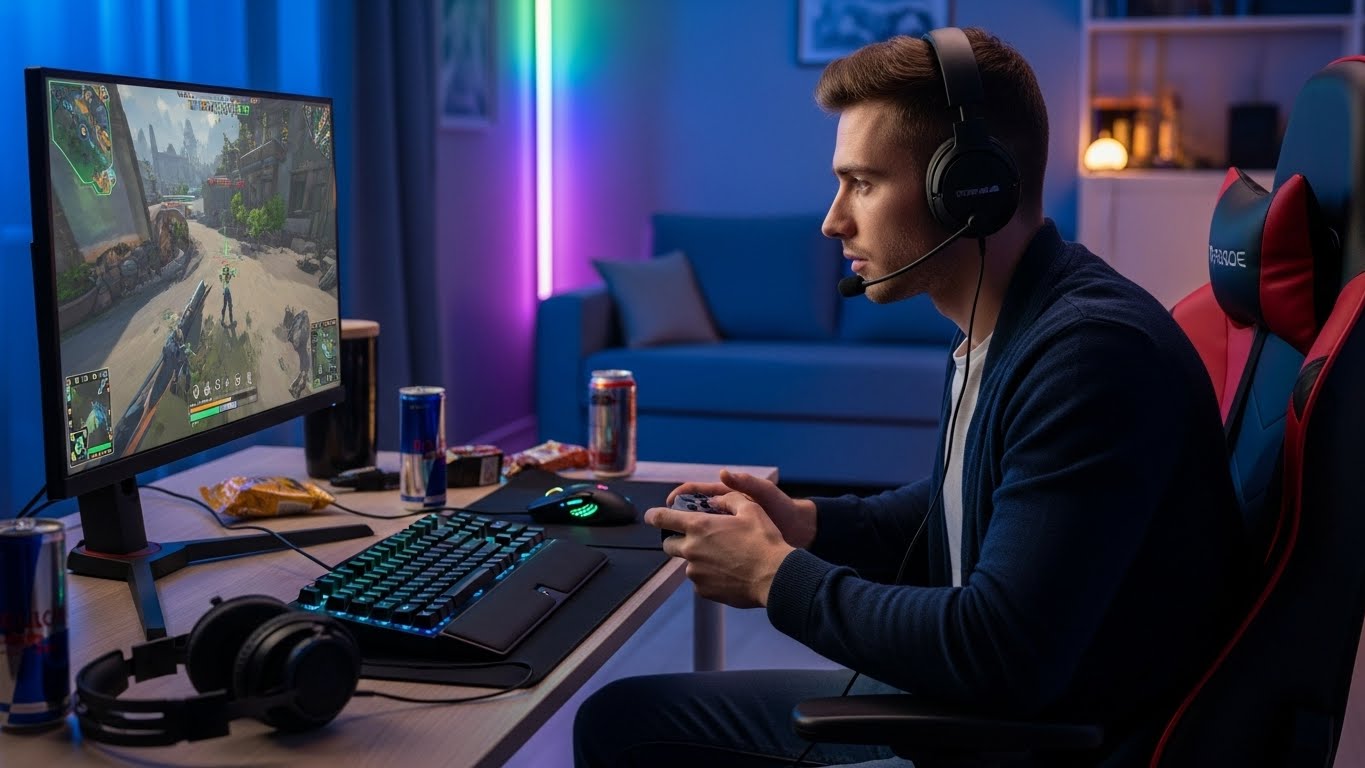
Introduction: The Universal Appeal of Gaming
Gaming has evolved from a niche hobby to a global cultural phenomenon. Once limited to arcades and early consoles, gaming now encompasses consoles, PCs, mobile devices, and even cloud-based platforms. It attracts players of all ages and backgrounds, offering entertainment, challenges, creativity, and social connection. Gaming is no longer just a pastime; it is a medium that blends storytelling, competition, problem-solving, and collaboration. This blog explores the evolution of gaming, its cultural impact, cognitive benefits, social influence, and its role in shaping the future of entertainment.
The Evolution of Gaming Technology
The history of gaming reflects the rapid advancement of technology. Early video games like Pong and Space Invaders offered simple gameplay but captivated audiences with innovation. Home consoles and personal computers expanded access, bringing more complex experiences to living rooms worldwide. Over the years, gaming evolved to include lifelike 3D graphics, realistic physics, immersive sound design, and expansive open worlds. Today, virtual reality, augmented reality, and cloud gaming push the boundaries of immersion, allowing players to interact with digital environments in unprecedented ways. Technology continues to redefine what gaming can be, offering ever more engaging experiences.
Narrative and Storytelling in Games
Modern gaming often emphasizes narrative as much as mechanics. Story-driven games allow players to inhabit characters, make choices that influence outcomes, and explore rich worlds. This interactive storytelling can evoke emotions, challenge moral perspectives, and encourage critical thinking. Unlike movies or books, games let players actively participate in the narrative, creating a personal connection to the story. From epic adventures to intimate emotional journeys, narrative-driven games prove that video games are a legitimate form of artistic and literary expression.
The Social Aspect of Gaming
Gaming is increasingly a social activity. Multiplayer games, online communities, and cooperative missions connect players worldwide. People form friendships, join guilds or teams, and collaborate to achieve common goals. Social interaction within games fosters teamwork, communication skills, and even leadership. Additionally, online streaming and content creation allow players to share experiences with a larger audience, further strengthening social bonds. Gaming has transformed from a solitary hobby into a dynamic social medium where players can connect, compete, and collaborate.
Competitive Gaming and Esports
Esports has emerged as one of the most exciting aspects of gaming. Professional players train rigorously, participate in tournaments, and compete for substantial prizes. Esports is not limited to playing skills; strategy, teamwork, and quick decision-making are crucial. Spectatorship adds another layer of engagement, with millions tuning in to watch live competitions. Beyond entertainment, esports has become a professional industry, offering careers in coaching, management, broadcasting, and game development. The rise of esports demonstrates how gaming has become both a competitive sport and a cultural phenomenon.
Creativity and Player Expression
Many games encourage creativity and self-expression. Sandbox and open-world titles allow players to build environments, design characters, and tell unique stories. Players can experiment with game mechanics, create mods, or produce digital content for others to enjoy. Creative games like these foster imagination, problem-solving, and innovation. By giving players the power to shape their own experiences, games become a medium for artistic expression and personal fulfillment. Creativity is no longer limited to developers; players themselves are co-creators of the gaming experience.
Cognitive Benefits of Gaming
Gaming is more than entertainment; it can enhance cognitive skills. Strategy and puzzle games develop problem-solving abilities and critical thinking. Fast-paced action games improve reflexes, attention, and hand-eye coordination. Multiplayer and team-based games enhance communication, cooperation, and strategic planning. Even educational games integrate learning with gameplay, teaching subjects such as history, science, and mathematics in engaging ways. Gaming stimulates the brain, challenges thinking, and promotes mental agility, making it a productive and rewarding activity.
Inclusivity and Accessibility in Gaming
The gaming industry has increasingly prioritized inclusivity and accessibility. Developers implement customizable controls, assistive technologies, and adjustable difficulty settings to accommodate players with diverse needs. Representation of different genders, cultures, and identities allows players to see themselves reflected in game worlds. Accessibility ensures that gaming can be enjoyed by everyone, fostering equality and participation. Inclusive gaming is not only a moral imperative but also enhances creativity, diversity, and engagement within the community.
Mental Health and Emotional Well-Being
Gaming can positively impact mental health. Immersive worlds provide a healthy escape from stress, offering relaxation and enjoyment. Social gaming combats loneliness by connecting players with friends and like-minded individuals. Certain games encourage mindfulness, problem-solving, and emotional exploration, providing constructive outlets for coping with stress and emotions. While moderation is essential, research suggests that gaming can enhance mood, improve social skills, and support emotional resilience. Far from being a mere distraction, gaming can contribute to mental wellness.
The Cultural Impact of Gaming
Gaming has become a significant cultural force. Video games influence music, fashion, media, and storytelling, shaping contemporary culture. Gaming communities create shared traditions, inside jokes, and fandoms that transcend geography. Memes, cosplay, and fan art reflect the widespread cultural influence of games. Additionally, games address social issues, represent diverse perspectives, and inspire conversations about identity, ethics, and creativity. As both entertainment and cultural commentary, gaming plays an influential role in shaping modern society.
The Business of Gaming
The gaming industry is a major economic powerhouse. Revenue comes from game sales, microtransactions, subscriptions, merchandise, streaming, and esports. Companies invest heavily in development, marketing, and technological innovation. Gaming also creates jobs in design, programming, marketing, content creation, and professional competitions. As an industry, gaming drives innovation in technology and entertainment, generating economic activity while influencing culture and lifestyle on a global scale.
Technology Driving the Future of Gaming
Emerging technologies are set to transform gaming even further. Virtual reality and augmented reality will offer deeper immersion, while cloud gaming will make high-quality experiences accessible without expensive hardware. Artificial intelligence will create smarter game characters, more adaptive environments, and personalized gameplay experiences. Advancements in graphics, physics engines, and networking continue to expand the possibilities of interactive entertainment. As technology evolves, gaming will remain at the forefront of innovation, shaping how people play, connect, and experience stories.
The Future of Gaming Culture
Gaming culture continues to evolve, blending social, creative, and competitive elements. Player-driven content, live streaming, and esports are redefining how audiences engage with games. Community interaction, online collaboration, and cultural representation will continue to grow in importance. As gaming becomes increasingly mainstream, it will further influence entertainment, media, and social interaction, solidifying its role as a central part of modern life. The future of gaming is collaborative, immersive, and globally connected, reflecting the diversity and creativity of its audience.
Conclusion: Gaming as a Transformative Medium
Gaming is no longer just a form of leisure; it is a transformative medium that influences culture, society, and personal development. It combines creativity, strategy, social connection, and entertainment in ways that few other forms of media can match. Gaming fosters cognitive growth, emotional resilience, and social engagement while driving innovation and shaping culture. From casual players to professional esports athletes, gaming provides opportunities for expression, connection, and achievement. As technology advances and communities expand, gaming will continue to redefine entertainment and culture for generations to come.