
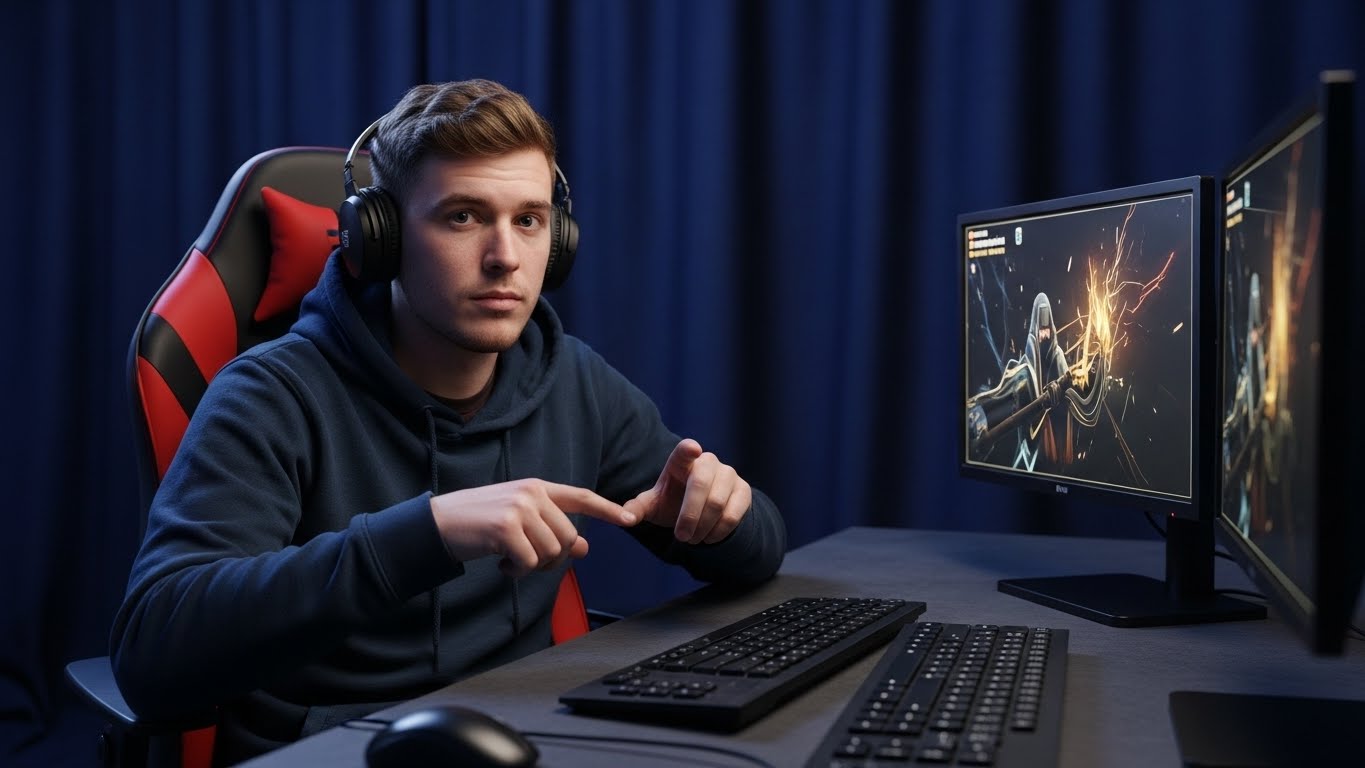
Introduction: Gaming as a Cultural Force
Gaming has transformed from a niche pastime into a global cultural phenomenon. Once considered a hobby for a select group of enthusiasts, it now influences entertainment, technology, storytelling, and social interaction worldwide. From the earliest pixelated consoles to modern virtual reality experiences, gaming has evolved into an immersive medium that engages the mind, emotions, and imagination.
Modern gaming is not merely about passing the time. It fosters creativity, builds communities, develops cognitive skills, and even offers professional opportunities through esports and content creation. This blog explores how gaming impacts our culture, personal growth, and social connections.
The Evolution of Gaming: From Simple Pixels to Immersive Worlds
The journey of gaming demonstrates humanity’s desire for interactive storytelling and immersive experiences. Early video games were simple, limited to basic graphics, a few colors, and straightforward gameplay. Classics such as Pong, Space Invaders, and Tetris captivated players with their simplicity, proving that even minimal technology could inspire joy and engagement.
As computing power increased, so did the complexity of games. The introduction of 3D graphics, advanced consoles, and improved processing capabilities allowed developers to craft intricate worlds with realistic visuals and dynamic environments. Today, games feature vast open worlds, complex narratives, and cinematic experiences that rival movies. The evolution of gaming reflects not only technological progress but also a growing understanding of what players want: immersive experiences that challenge and entertain.
Interactive Storytelling: Players as Active Participants
A unique aspect of gaming is interactive storytelling. Unlike movies or books, where the audience is passive, games allow players to shape narratives through choices and actions. Decisions can influence character relationships, story outcomes, and even the world itself. This level of interactivity creates a deeper emotional connection, as players are directly responsible for the consequences of their actions.
Modern story-driven games explore themes such as morality, identity, sacrifice, and heroism. Players experience dilemmas and challenges that mirror real-life complexities, allowing them to reflect on personal values and ethics. Interactive storytelling makes gaming a powerful medium for emotional engagement and personal growth.
Building Communities: Gaming as a Social Platform
Gaming is often mistakenly thought of as a solitary activity. In reality, it has become a hub for social interaction. Multiplayer games connect players across the globe, fostering collaboration, competition, and friendship. Players form teams, join guilds, and communicate in real time to achieve objectives.
These communities extend beyond the games themselves. Shared experiences, mentorship, and social engagement create lasting relationships. Many players find lifelong friends and even professional connections through gaming communities. The social aspect of gaming demonstrates that it is as much about human connection as it is about entertainment.
Esports: Gaming as a Professional Arena
Esports has transformed gaming into a competitive profession. Professional players train extensively, mastering mechanics, strategy, and teamwork. Major tournaments attract millions of viewers, and prize pools rival traditional sports events.
Beyond competitive play, esports has created careers in coaching, content creation, event management, and analytics. Esports illustrates that gaming requires skill, discipline, and mental agility. It has legitimized gaming as a serious profession and provided opportunities for players to turn passion into a livelihood.
Cognitive Benefits of Gaming
Gaming is not only entertaining—it also develops cognitive skills. Puzzle games and strategy titles improve problem-solving, memory, and analytical thinking. Fast-paced action games train players to react quickly, notice subtle cues, and make strategic decisions under pressure. Multiplayer games enhance communication, leadership, and teamwork.
Furthermore, gaming encourages creativity and adaptability. Overcoming in-game challenges teaches players persistence and resilience. These skills translate into real-world benefits, making gaming a valuable tool for mental exercise and personal development.
Emotional and Psychological Impact
Gaming provides emotional benefits as well. Completing challenging levels or achieving in-game milestones generates a sense of accomplishment and satisfaction. Games offer a safe environment to explore emotions, face challenges, and experience both success and failure.
Cooperative and multiplayer games foster empathy, patience, and collaboration. Players learn to navigate social dynamics, negotiate strategies, and support teammates. Gaming can also serve as a source of stress relief, providing immersive experiences that allow players to unwind and recharge.
Creativity and Self-Expression in Games
Many games encourage creativity and self-expression. Sandbox games, construction titles, and role-playing games allow players to design characters, build worlds, and craft stories. These experiences foster imagination and encourage experimentation, making games an outlet for artistic expression.
Beyond gameplay, fans often create art, music, stories, and videos inspired by their favorite titles. Gaming provides tools for creativity that can extend into real-life skills, whether in design, storytelling, or content production. Players are not merely consuming content—they actively shape digital culture.
Exploring Identity Through Role-Playing
Role-playing games allow players to explore alternative identities. Characters can be customized in appearance, personality, and abilities, giving players freedom to express themselves. Ethical choices and narrative decisions allow players to engage with moral and social questions in a safe environment.
This form of identity exploration can be empowering. It fosters confidence, empathy, and self-awareness. By stepping into a character’s shoes, players can explore facets of their own identity or experiment with new ways of thinking and behaving.
The Freedom of Open Worlds
Open-world games offer unparalleled freedom and exploration. Players can navigate vast landscapes, uncover hidden secrets, and engage with dynamic environments at their own pace. Exploration satisfies natural human curiosity and encourages problem-solving, observation, and creativity.
Each player’s journey in an open-world game is unique, shaped by choices, actions, and interactions. This non-linear structure enhances immersion and personal connection to the game. Open-world gaming delivers experiences that are both engaging and memorable.
Gaming’s Influence Beyond Entertainment
Gaming has influenced numerous industries. Storytelling techniques from games inspire film, television, and literature. Advanced graphics and physics engines are applied in simulation, education, and virtual reality. Educational games and gamification strategies improve learning outcomes, making complex subjects more engaging.
Even sectors such as healthcare and corporate training leverage game mechanics for motivation and skill development. Progression systems, rewards, and interactive challenges demonstrate how gaming principles can enhance real-world outcomes.
Virtual Reality: The Next Level of Immersion
Virtual reality is redefining interactive experiences. VR allows players to inhabit digital worlds fully, manipulate objects, and engage with environments in ways that traditional gaming cannot replicate. Motion controls, haptic feedback, and 360-degree visuals create a sense of presence and immersion.
As VR technology advances, gaming will continue to evolve toward fully interactive, multisensory experiences. The future of gaming promises worlds where players do not just play—they live within the game itself.
Expanding Demographics: Gaming for Everyone
Gaming is no longer limited to a specific age group or demographic. Players of all ages, genders, and backgrounds participate in gaming. Children enjoy educational titles, adults play story-rich experiences, and older adults engage in games that exercise memory and cognition.
Inclusivity in game design ensures accessibility and representation. Developers create diverse characters, narratives, and features to reflect the global gaming audience. This inclusivity makes gaming a universal medium that anyone can enjoy.
Mobile Gaming: Accessibility and Convenience
Mobile gaming has made gaming accessible to millions. Smartphones allow players to engage with games anywhere, at any time, without the need for expensive consoles or computers. Mobile games range from casual puzzle titles to competitive multiplayer experiences, providing entertainment for all types of players.
The accessibility of mobile gaming has expanded the global player base and introduced new communities. It demonstrates that interactive entertainment can reach virtually anyone, regardless of geography or resources.
Maintaining Balance: Gaming and Life
While gaming has many benefits, balance is essential. Excessive gameplay can interfere with sleep, responsibilities, and social connections. Healthy gaming habits involve setting limits, taking breaks, and integrating real-world activities.
Balanced gaming allows players to enjoy cognitive, emotional, and social benefits while maintaining well-being. Responsible engagement ensures that gaming remains a positive and enriching part of life.
Conclusion: Gaming as a Transformative Medium
Gaming is more than entertainment—it is a transformative cultural force. It nurtures creativity, strengthens communities, develops cognitive skills, and provides emotional fulfillment. From open worlds and interactive narratives to esports and virtual reality, gaming influences personal growth and global culture.
As technology advances and audiences continue to grow, gaming will remain a platform for creativity, connection, and exploration. In a digital world, gaming proves that play is not just leisure—it is an essential, enriching human experience.